Constellation · since 2009
Invisible Borders Trans-African Project
An artists' organisation addressing the gaps that geopolitical borders make across Africa — and the ground beneath four bodies of photographic work.

work — ongoing
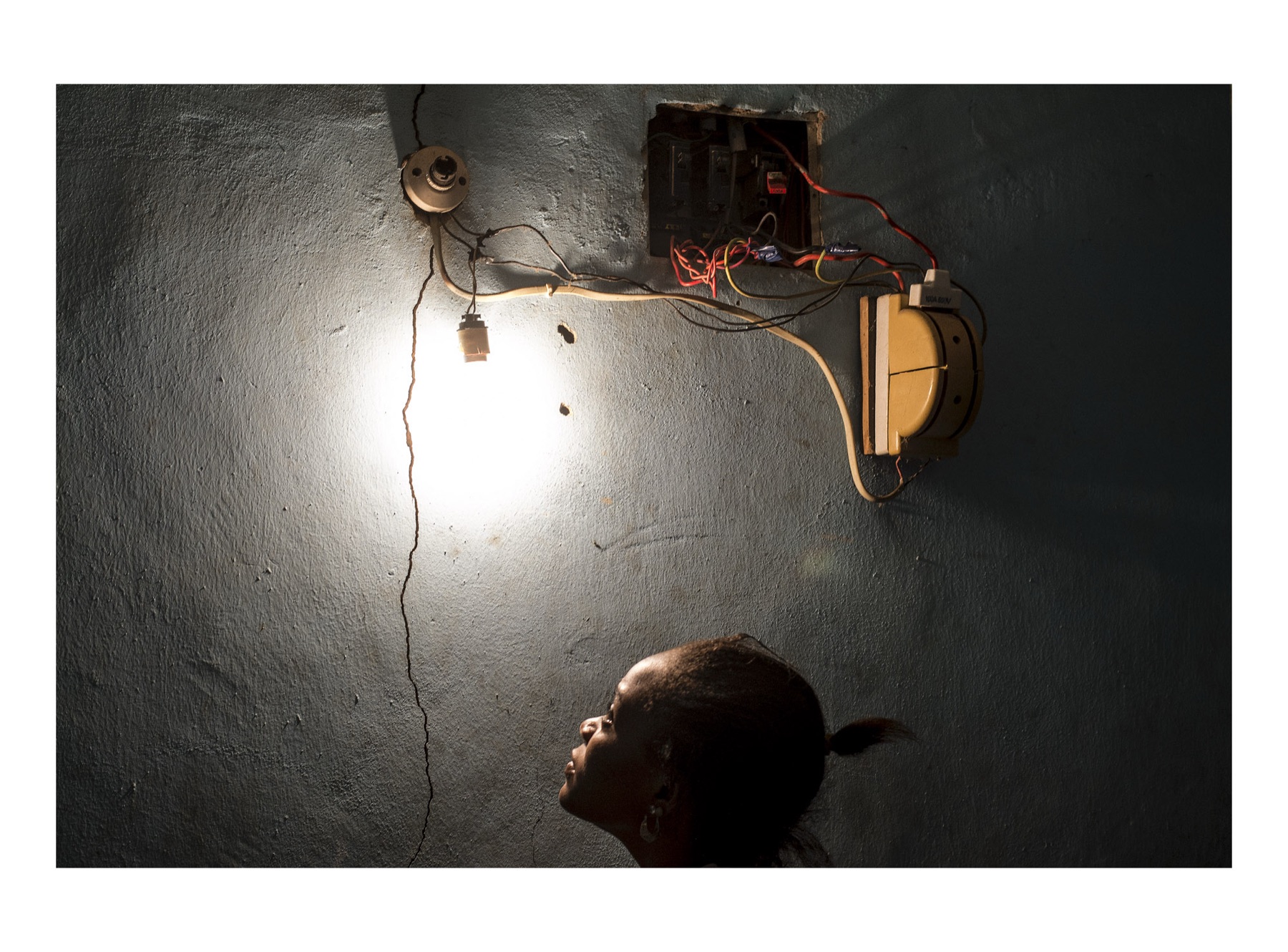
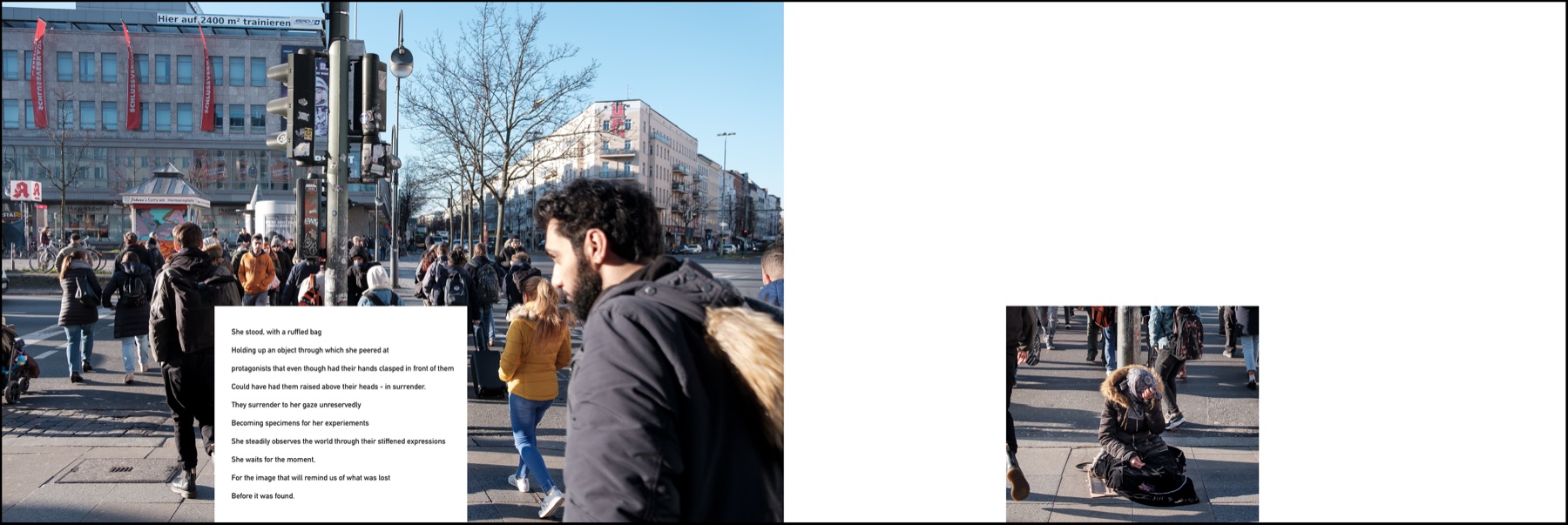
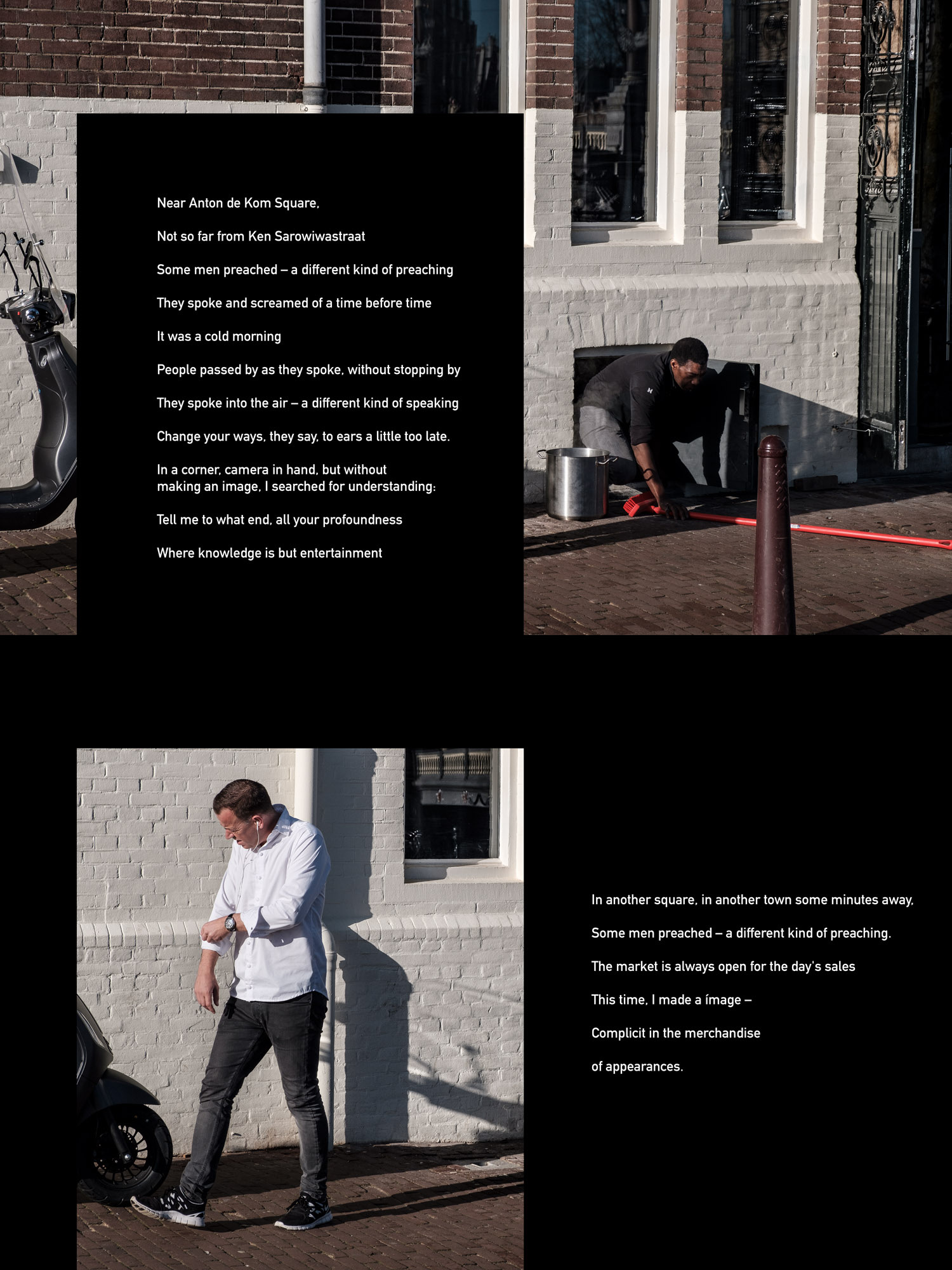
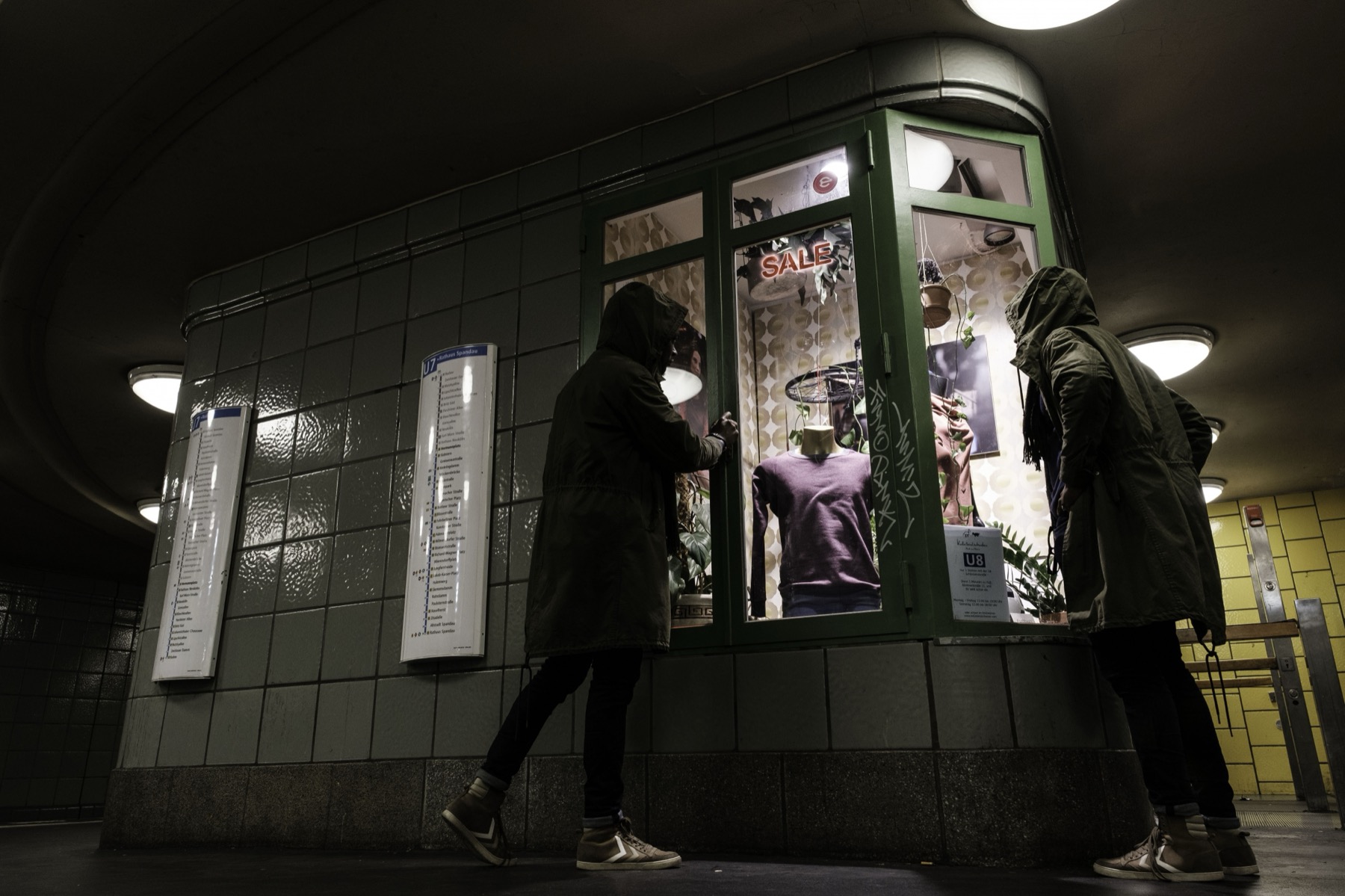
Begun in 2012 and still unfolding, Exploring a Void is a long-running enquiry into—and embodiment of—relation, encounter and orientation. Moving across media and geographies, it has become one of the most sustained articulations of Okereke’s approach to enquiry: the aesthetics of the iterative, and transdisciplinarity understood as an ahistorical state of being and moving in the world.
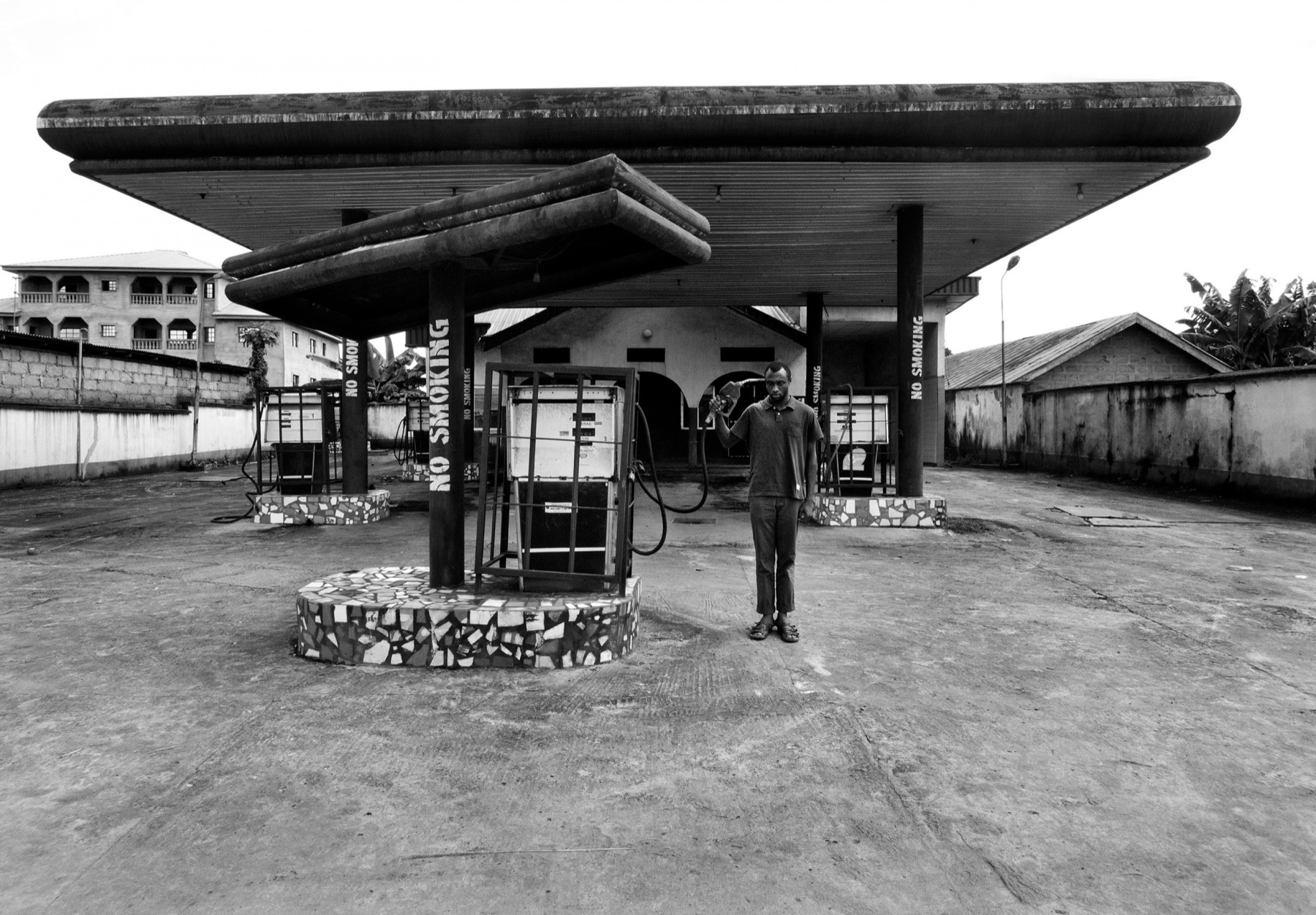
I
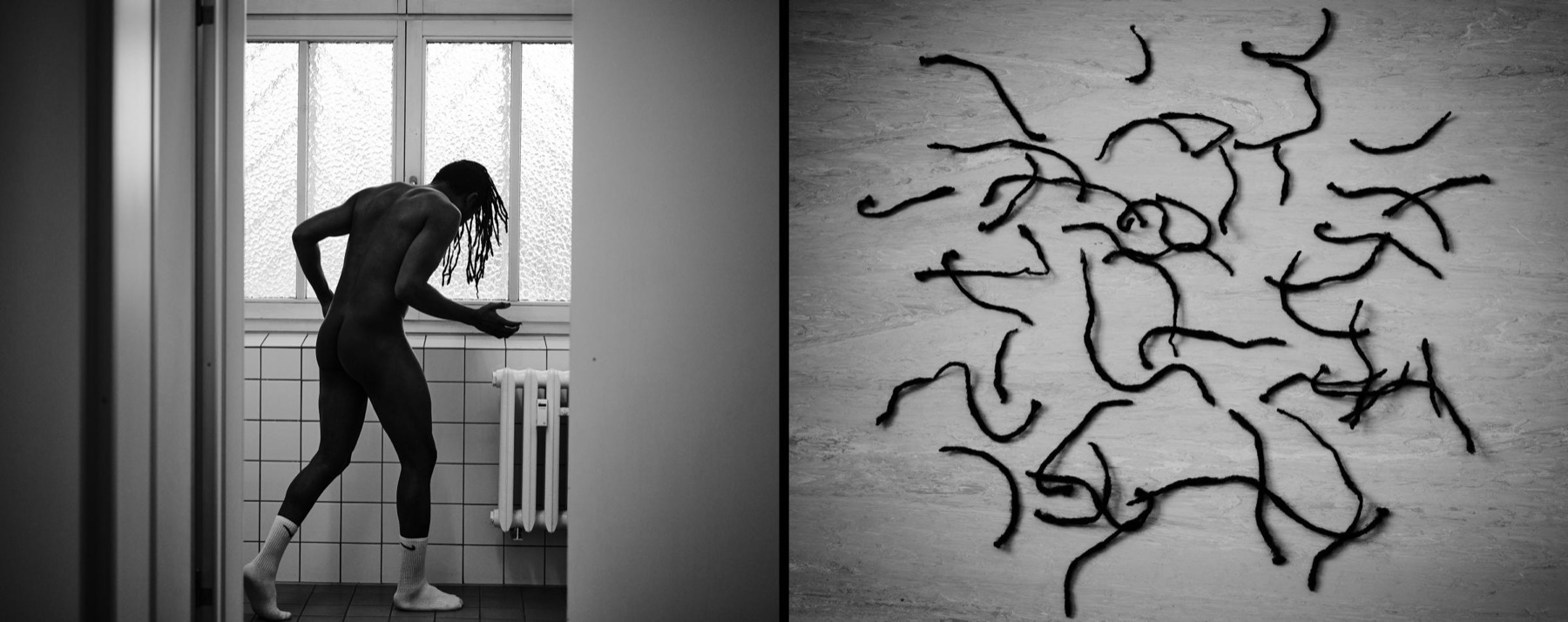
Begun in 2012 and still unfolding, Exploring a Void is a long-running enquiry into—and embodiment of—relation, encounter and orientation. At its centre is the body, not as a stable carrier of identity, but as a moving, sensing and thinking-active entity: the object of articulation and the surface of inscription through which distance—that which takes form when space is measured as the separation between two loci of identification—is projected and inscribed, but also felt.
When space is measured, it is distance. Through the doctrines and cartographies of separation, this measurement hardens into borders, boundaries, territories and categories. It locates one body in relation to another; it instructs each on where to stand, where to stop, what can be approached and what must remain apart. Distance, therefore, is not merely the interval between two points. It is also a sensibility produced through the repeated organisation of the world as divided. It is the sensibility of a world that, over centuries, has become deeply enmeshed in the logic of separation as an organising principle. It is a global conditioning: a colonial-modern conditioning.
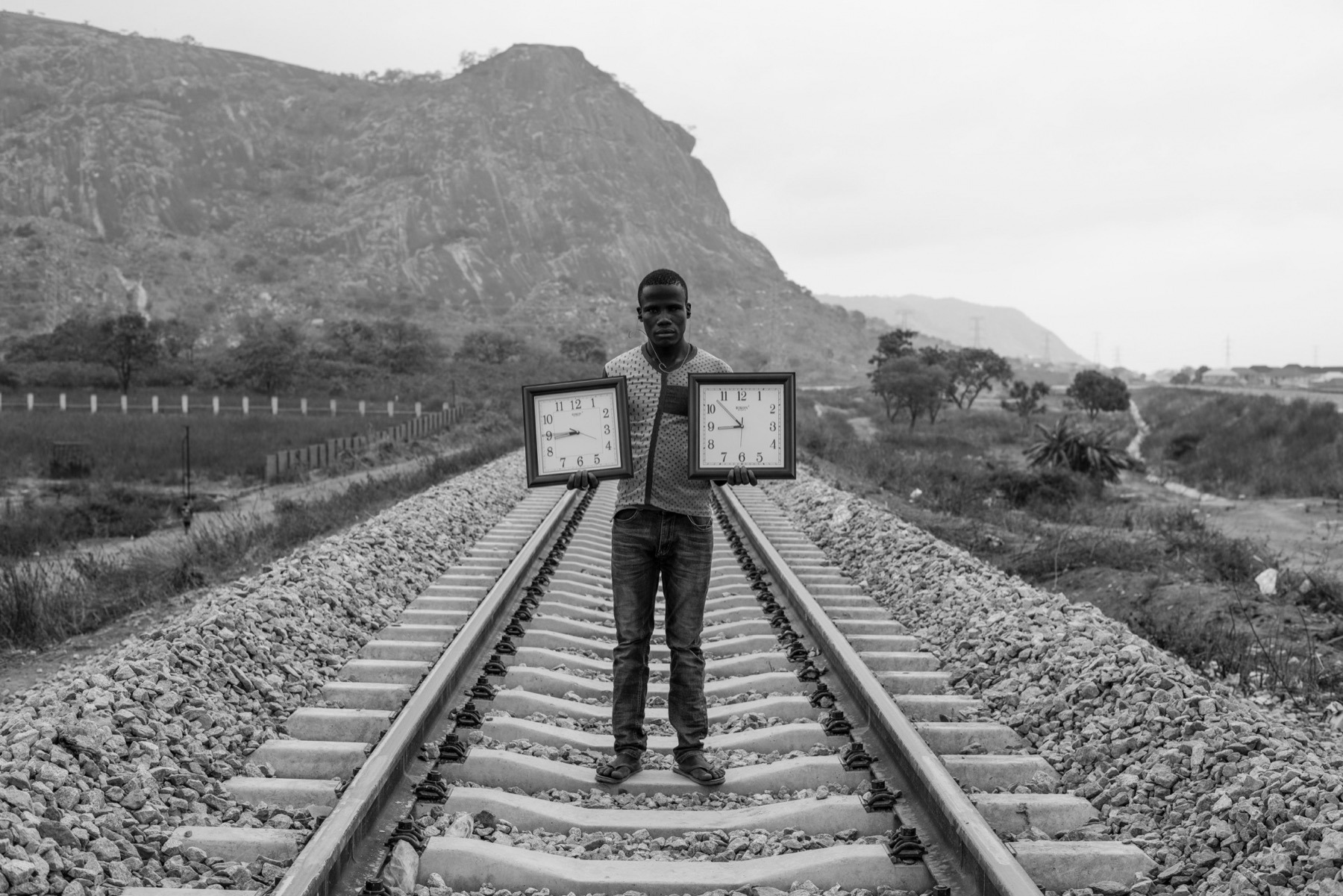
II
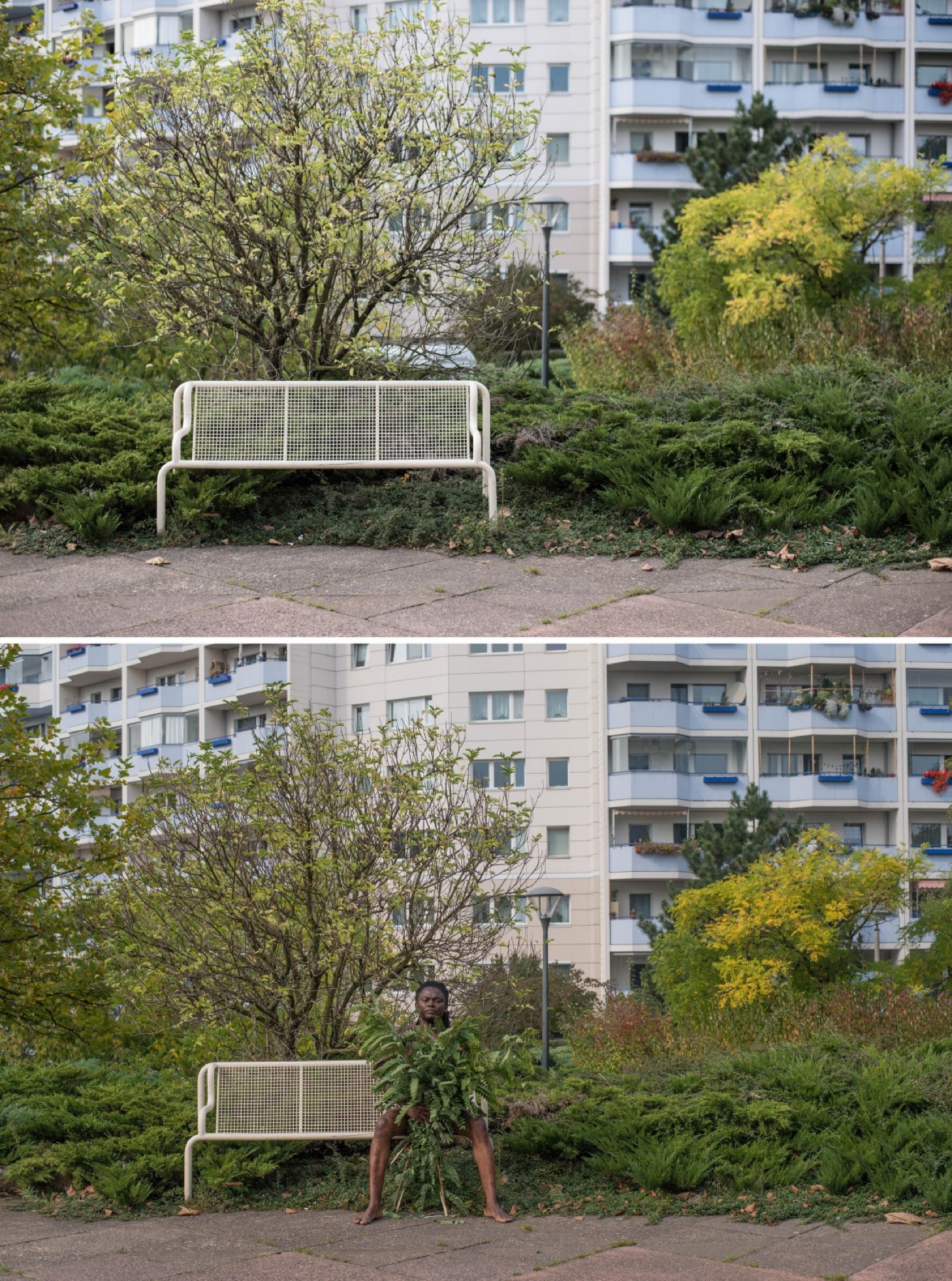
Yet what is delineated as separation is never without contact. Every boundary points towards a fissure; every line produces an edge at which one side remains implicated in the other. What appears to be a void is charged with projections, memories, anticipations, fears and desires. It is at once a distance, a node of contact and a volatile site of relation.
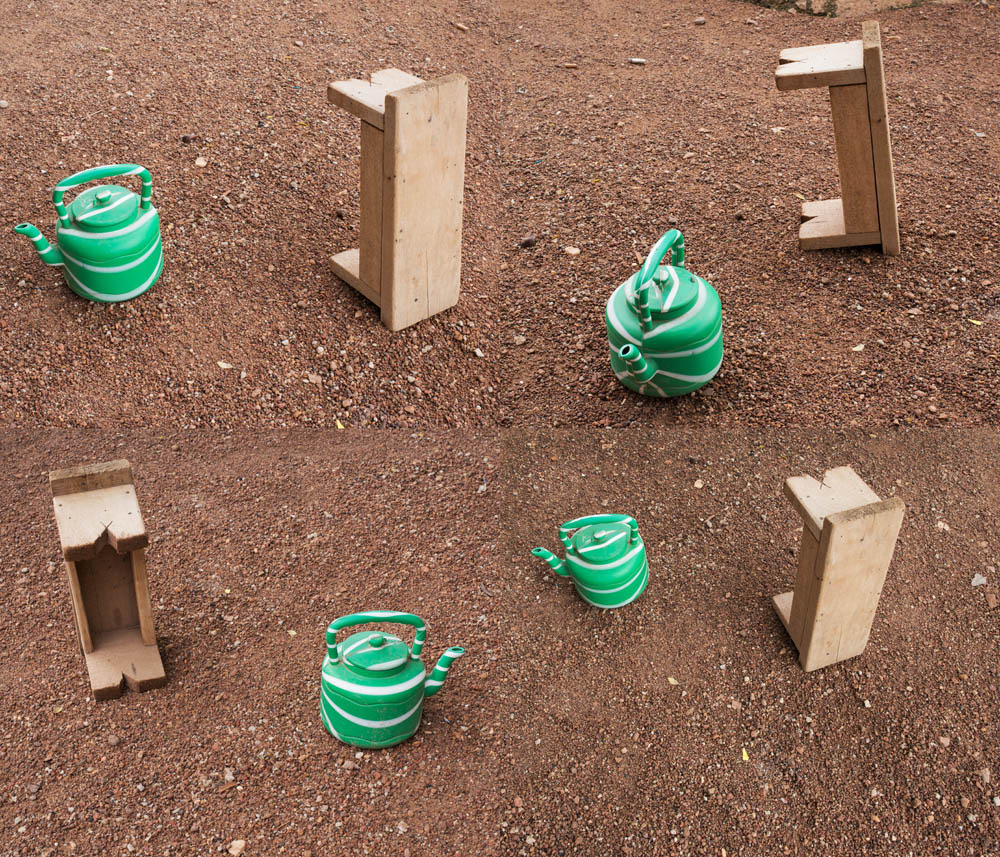
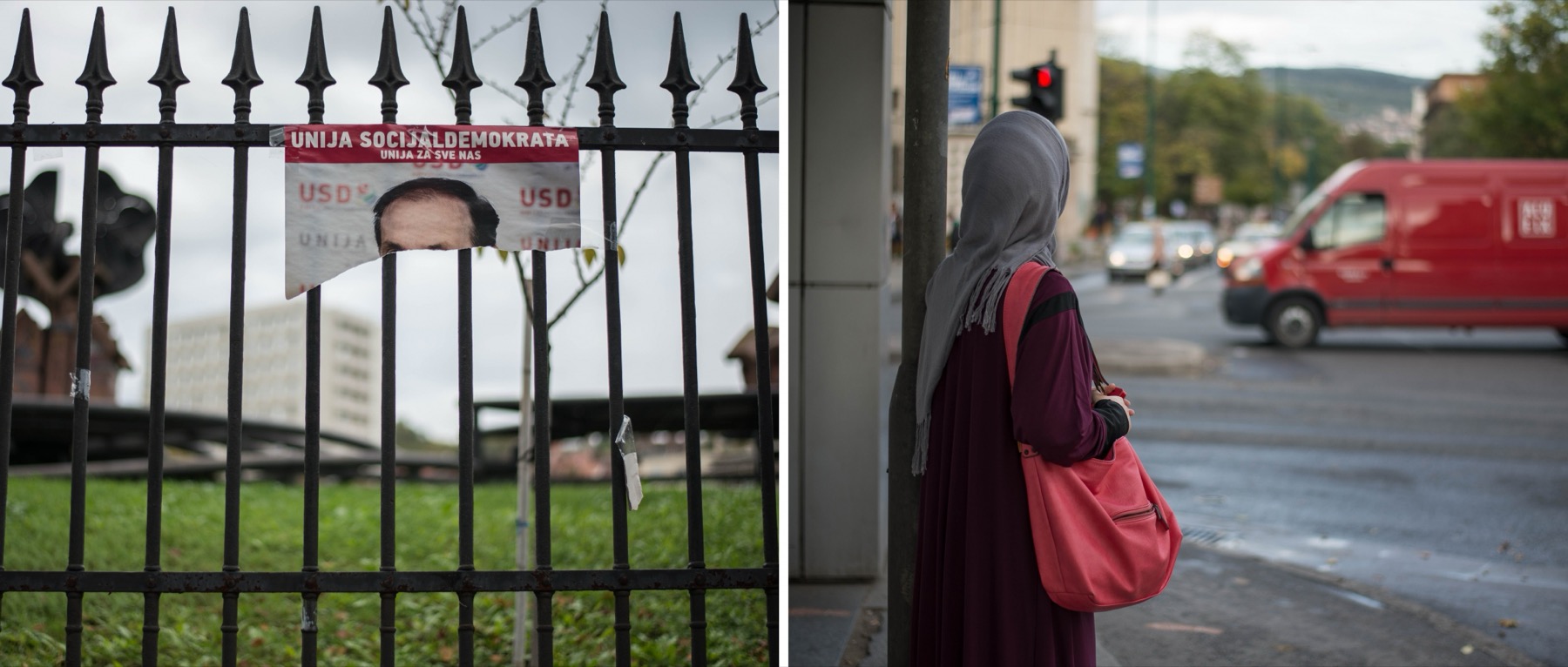
III
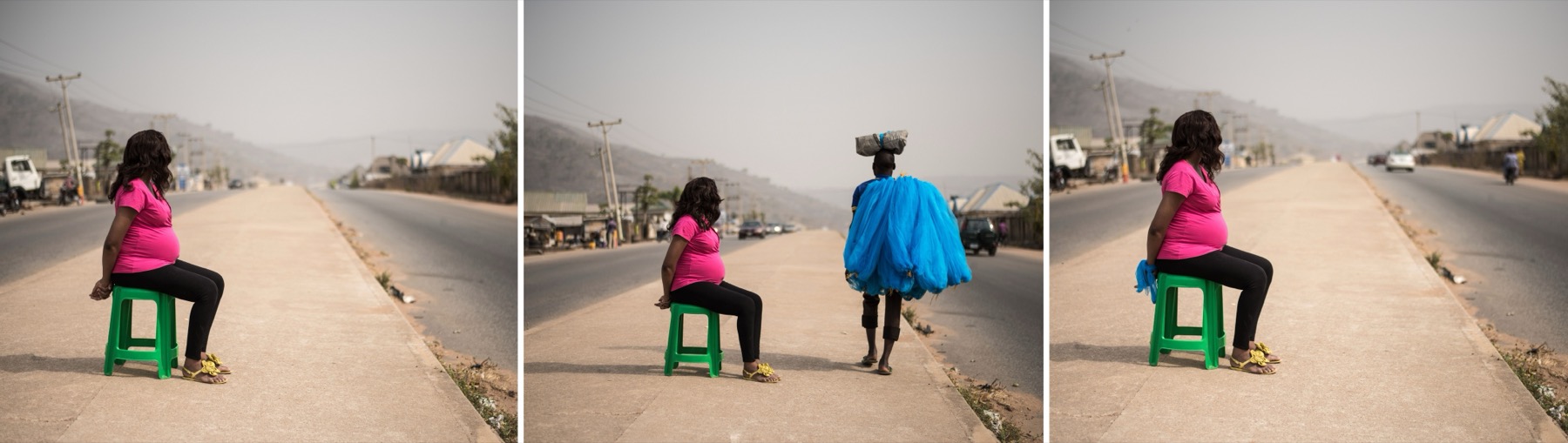
The works emerge from lived impulses within this charged interval. They are emanations rather than explanations: faltering and fragile markers of boundaries; residues of encounters; momentary registrations of a body sensing the invisible demarcations that call into question the innocence of its perpetual and uninhibited movement.
IV
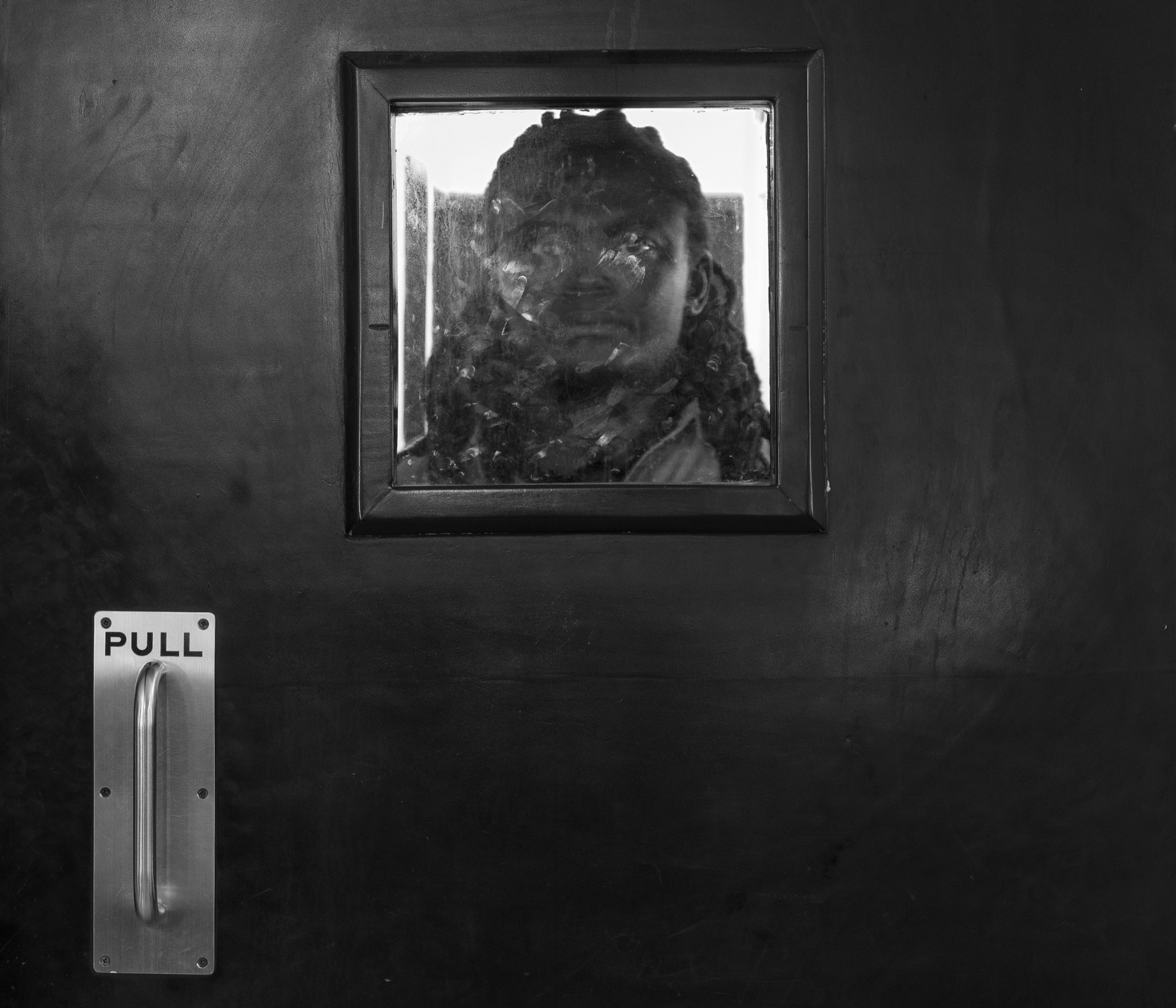
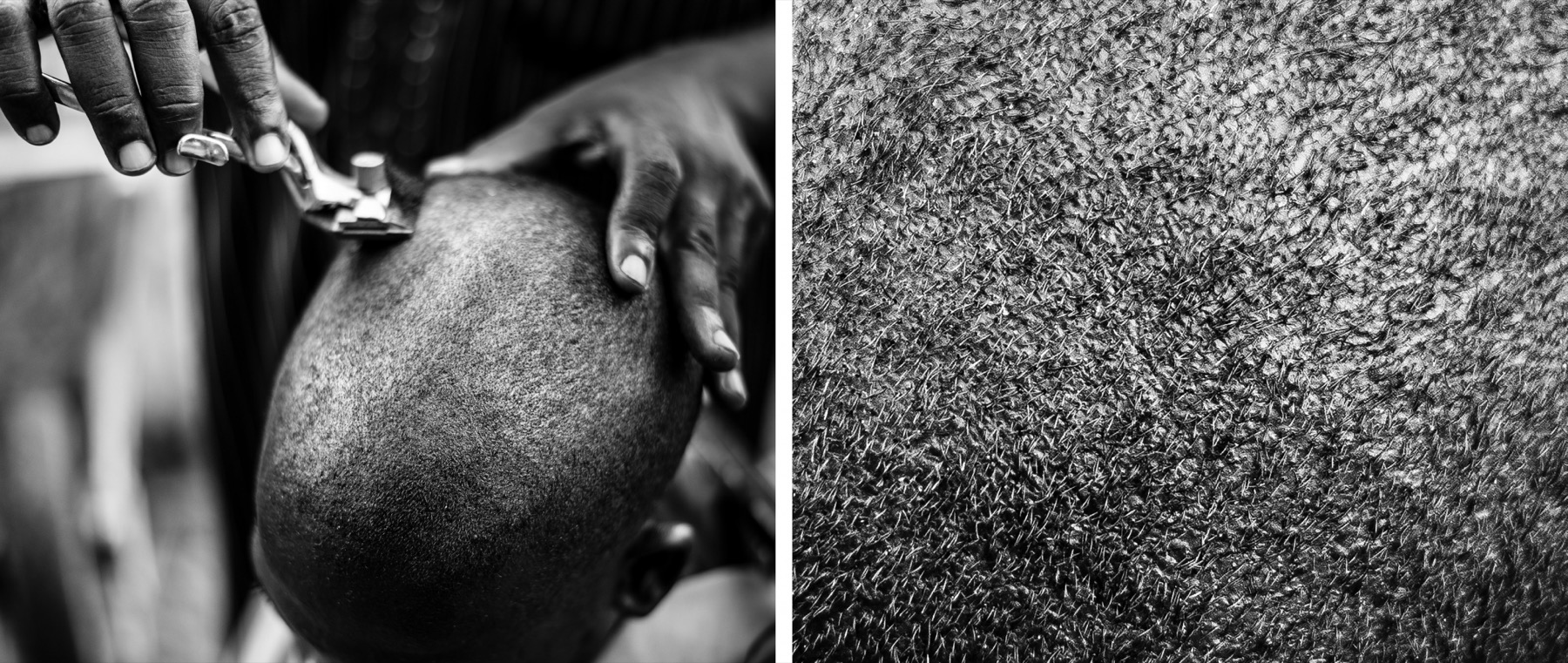
These works are also insignias of the myriad projections produced through what Okereke calls the object-based gaze: a way of seeing that requires the world—and the bodies within it—to become identifiable objects so as to be recognised, measured, positioned or possessed. The body is continually subjected to this gaze, marked by its histories and cartographies. Yet it is also through the body—imbued with intuition, memory, language, movement and inscribed violence—that the apparent certainty of those projections begins to falter.
V
Photography and image-making constitute a point of departure, but the enquiry does not remain within the historical enclosure of a discipline. It moves through writing, film, sound, installation, conversation, exhibition and pedagogy—not as an accumulation of mediums, but as a transdisciplinary disposition. Its trajectory recalls the Igbo proverb: “Since the hunter has learned to shoot without missing, the bird has learned to fly without perching.”
The bird’s movement is neither rootless nor evasive. It remains in flight as intention and intervention, refusing the perch from which identity, discipline and history might fix it into a singular account. It is the ahistorical bird—the bird that flies in the face of history.
This understanding of transdisciplinarity as an ahistorical state of being is developed further in Okereke’s essay, Transdisciplinarity as the Ahistorical State of Being.
VI
Exploring a Void does not seek to eliminate distance or resolve the paradoxes that inhabit it. It stays with their implications. It makes the void its space of habitation, enactment and relation. Its movement is one of orientation: a body’s sensitivity and response to the stimulus of light.
Each enactment is a temporary bearing: an iterative return to space where bodies meet, reflect, refract, project, falter and follow their own pathless truth. The enquiry remains open because this distance is continually being measured and demystified—and because the moving body must continually find another way through.
In this way, we shall say, in this circumstances, let us heal him. Let us heal her. Let us not run from the unattractiveness of a shattered soul.
Where this work has moved — 19 traces
Through his own platforms
Constellation · since 2009
An artists' organisation addressing the gaps that geopolitical borders make across Africa — and the ground beneath four bodies of photographic work.
Constellation · since 2019
Nkata is the Igbo word for conversation. The project uses the emotive power of voice in the collation, arrangement and transmission of embodied knowledge through the act of listening.
Constellation · since 2008
Emeka’s writing platform, running since 2008: the place where the enquiry is thought in words. The texts that carry Exploring a Void were all published here, from A Border Philosophy in 2014 to Transdisciplinarity as the Ahistorical State of Being in 2025.
Where the work has been foregrounded by others